Wire Harness Color Detection System for Wiring Sequence and Insertion Checks WM-815
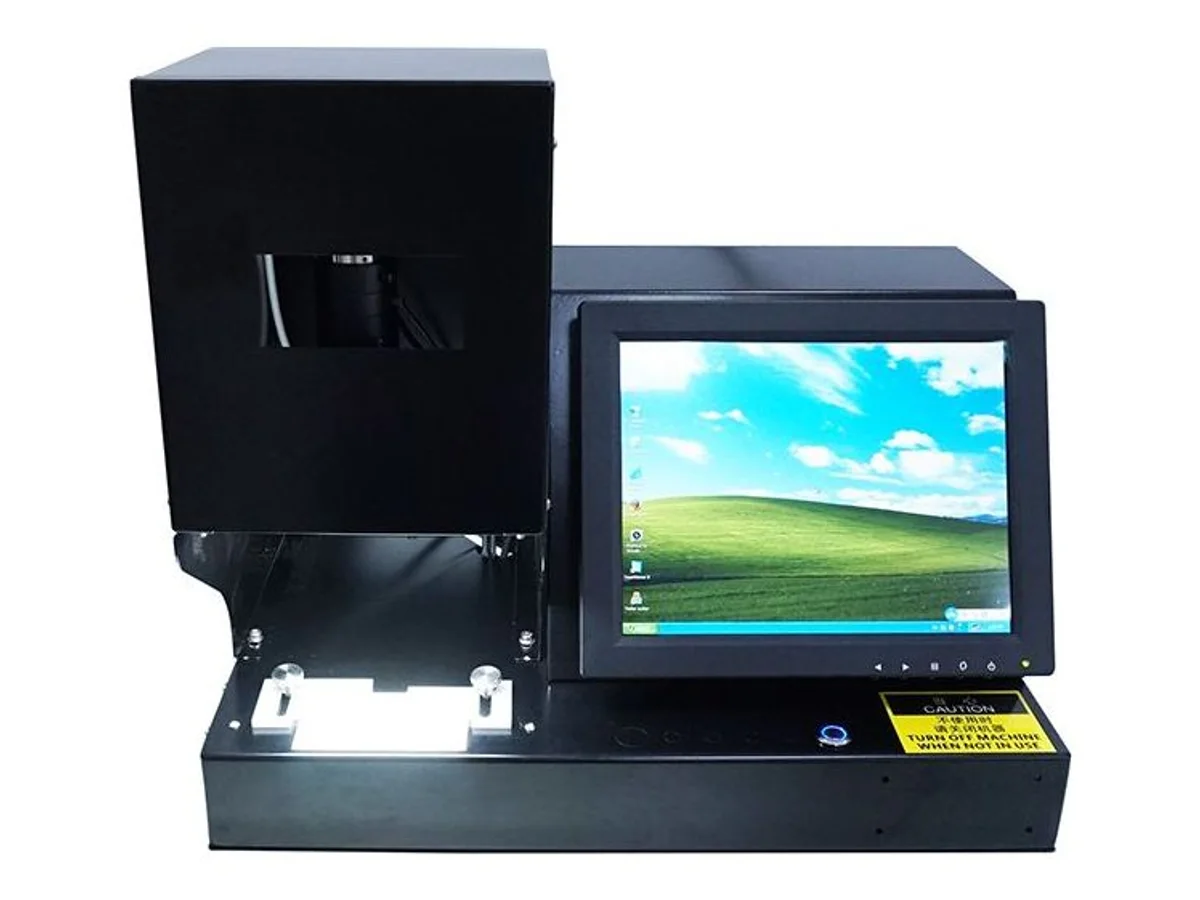
The WM-815 is a benchtop vision system that inspects finished wire harnesses for color sequence, wire position and terminal insertion depth in under 0.2 seconds per piece. Drop the connectorized harness into the inspection frame — placement can be loose — and the camera triggers automatically, flags any wire out of sequence, shows the faulty position on screen and sounds an NG alarm. It reads colors correctly even on insulation printed with characters, handles single-row connectors up to 50 mm wide, draws under 35 W and weighs just 10.7 kg.
Specifications
| Function | Vision-based wire color, sequence and insertion inspection |
|---|---|
| Trigger | Automatic once the harness sits stable — no foot switch or IO input |
| Detection time | < 0.2 s per piece |
| Connector width | Max. 50 mm |
| Connector rows | Single row |
| Wire placement | Free placement in the inspection frame, no strict positioning |
| Checks performed | Wire color, wire position, terminal inserted in place, NG alarm with fault location |
| Character interference | Printed characters on insulation are filtered out automatically |
| I/O output | Supported via FM-9A |
| System | Integrated embedded device, low power consumption |
| Power consumption | < 35 W |
| Dimensions | 43 × 26 × 38 cm |
| Weight | 10.7 kg |
| HS Code | 9031.80 (common reference — final classification confirmed by your customs broker) |
| Certification | CE (certificate provided with shipment) |
Key features
- Catches wrong-color and swapped-position wires before the harness ships — the screen shows exactly which cavity failed, so rework takes seconds
- Judges whether each terminal is fully seated in the housing, the defect that slips past visual inspection most often
- No jig discipline needed — operators drop the harness in the frame within the taught inspection area and auto-trigger fires when it sits stable, with a listed detection time below 0.2 seconds; operator handling adds to the full cycle
- Embedded low-power design under 35 W with no PC tower to maintain, small enough (10.7 kg) to sit at any assembly bench
What it processes
- End-of-line color-sequence check on connectorized harnesses up to 50 mm connector width
- Verifying manual insertion work on multi-color appliance and automotive looms
- Inline NG gating via I/O signal to conveyors or indicator stacks
Suited for: fast color-sequence and insertion-depth checks on single-row connectorized harnesses up to 50 mm wide — the last look before packing, at 0.2 seconds a piece. Not suited for: electrical testing or multi-row connectors — double-row housings run on the WM-816 two-row sequence detector, while continuity and crimp strength need the electrical and pull testers in our wire harness testing category.
Unsure it reads your colors and stripes? Send 5–10 of your actual harnesses and we program and run them on camera before you order — including your worst printed-on insulation.
Engineering knowledge
Choose and troubleshoot this process
- How to Choose Wire Harness Testing EquipmentSelect harness testing equipment by test points, two-wire or four-wire resistance measurement, insulation and withstand limits, fixtures and inspection scope.
- Wire Harness Electrical Test Failures: Causes and Corrective ActionsDiagnose open circuits, shorts, high resistance, insulation failures, intermittent contacts, wrong cavity insertion and unstable harness test fixtures.
- Crimp Force Monitoring vs Pull Testing, Crimp Height and Cross-SectionBuild a crimp quality plan that combines force monitoring, pull testing, crimp-height measurement and cross-section analysis without confusing their limits.
WM-815 — common questions
What defects does the WM-815 actually catch?
Three kinds — a wire whose color is in the wrong cavity, a wire in the wrong position, and a terminal that is not inserted to full depth. On failure it displays the faulty wire position and sounds an audible NG alarm, and the FM-9A output can signal your line control.
Do operators have to place the harness precisely?
No. The harness can be placed in the inspection frame loosely — the system self-triggers once the material sits stable and reads the sequence in under 0.2 seconds, so there is no fixture-loading skill to train.
What can it not test?
It is an optical system — it does not measure continuity, shorts, insulation resistance or crimp pull force, and it reads single-row connectors up to 50 mm wide only. For mechanical crimp strength, pair it with the pull testers in our wire harness testing category.
Related machines in Testing & Quality Inspection
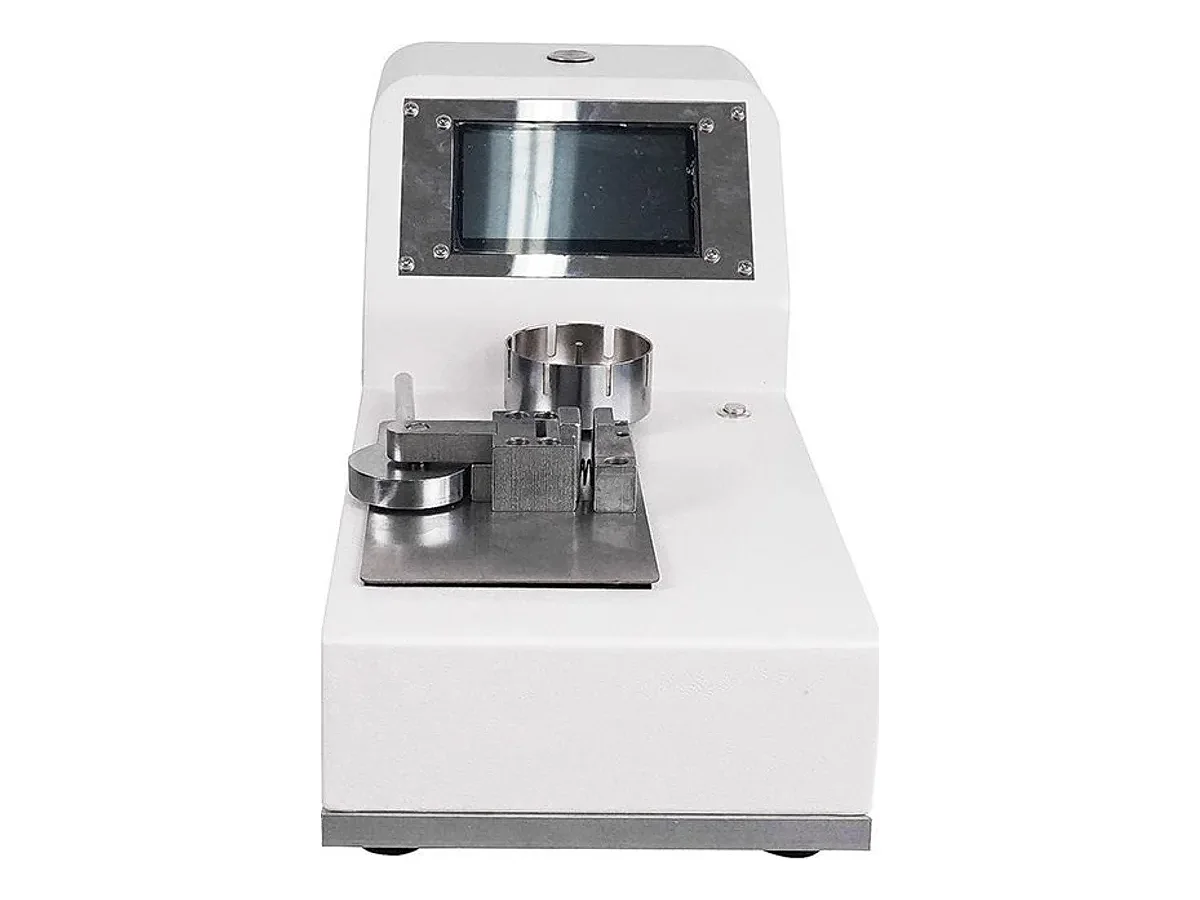
Automatic Wire Crimp Pull Tester with Touch Screen, 500 N
Model WM-820
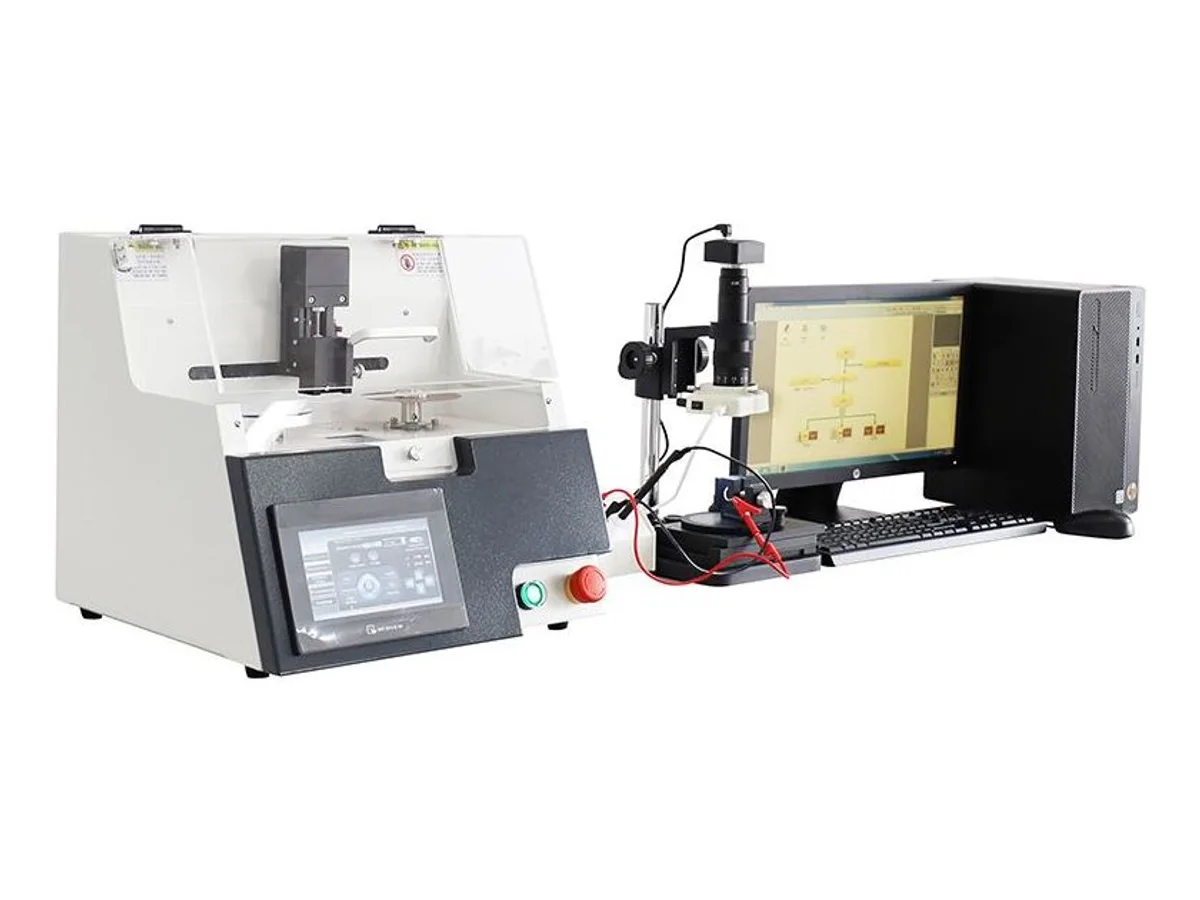
Crimp Cross-Section Analysis System with 30–312X Zoom for Terminal Quality Audits
Model WM-813
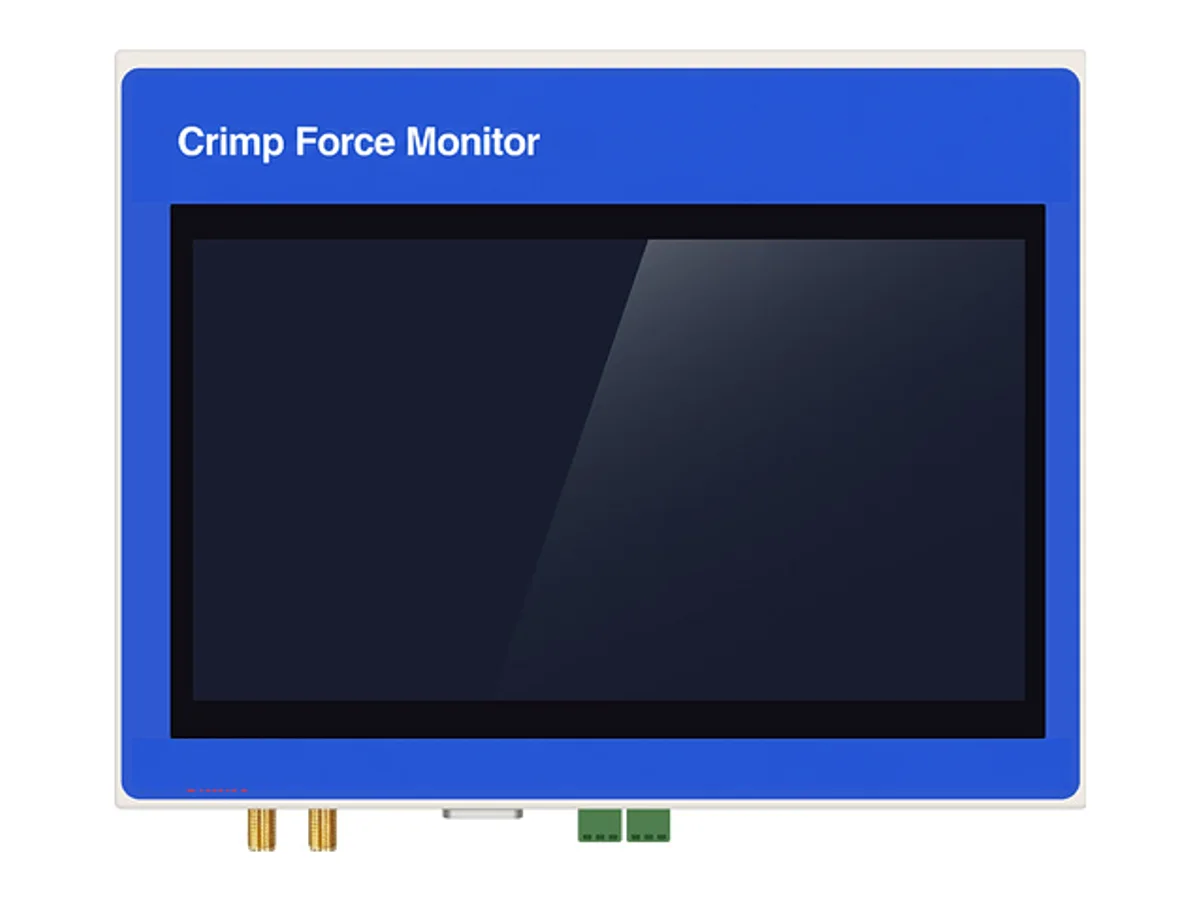
Crimp Force Monitoring System, Single or Dual Channel
Model WM-834