Manual Wire Terminal Pull Force Tester with 500 N Dial Gauge WM-817
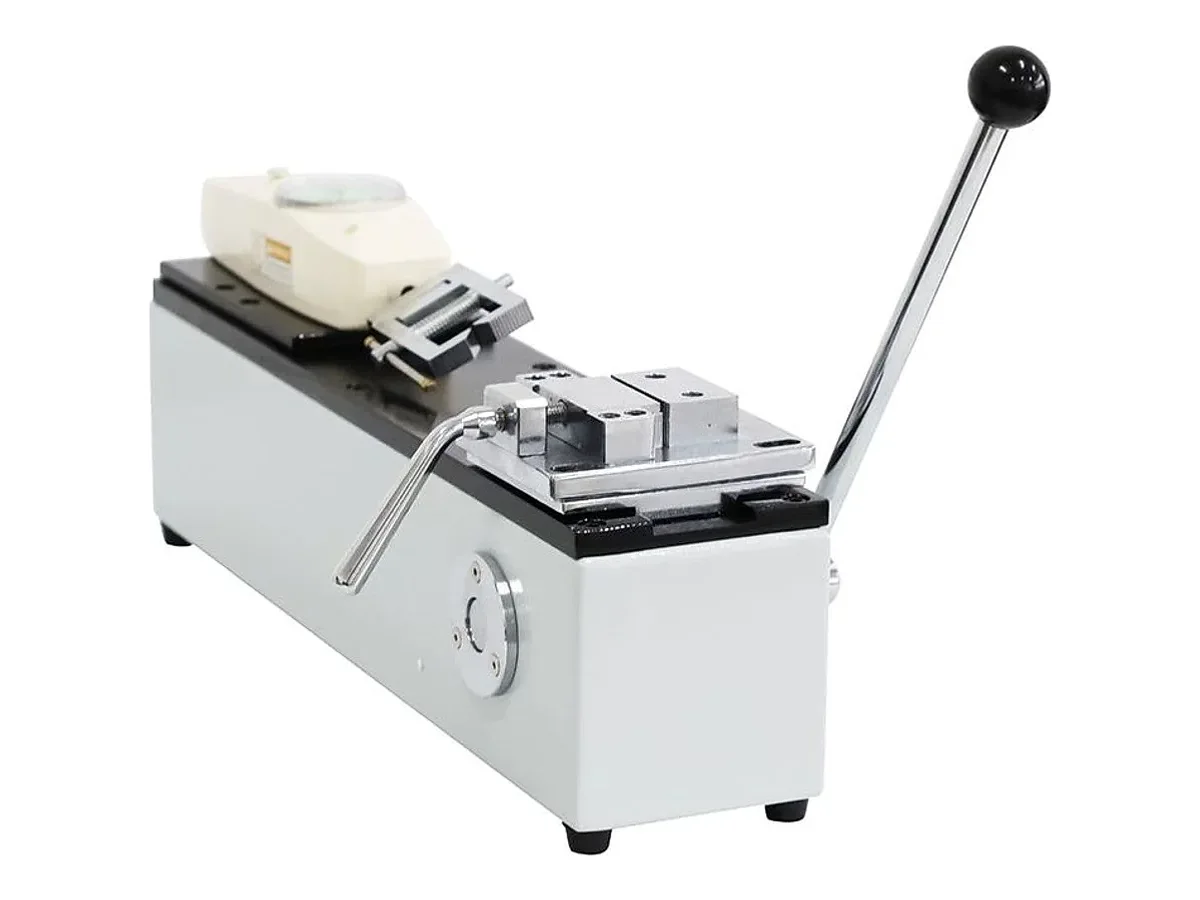
The WM-817 is a lever-operated bench tester that verifies crimped terminals by pulling them off the wire under a calibrated load. Capacity is 500 N with ±0.5% tolerance across a 50 mm stroke, read on an analog dial force gauge — a digital-display version is available on request. The wire clamps in a serrated vise, the terminal seats against the gauge side, and one smooth pull on the lever loads the joint until it holds or fails. At 10.6 kg and 45 × 26 × 16 cm, it sits right next to the crimping press.
Specifications
| Function | Terminal pull-off force testing |
|---|---|
| Force capacity | 500 N |
| Stroke | 50 mm |
| Tolerance | ±0.5% |
| Force readout | Analog dial gauge as shown — digital display version optional |
| Power supply | 220/110 V, 50/60 Hz |
| Power | 100 W |
| Weight | 10.6 kg |
| Dimensions | 45 × 26 × 16 cm |
| HS Code | 9031.80 (common reference — final classification confirmed by your customs broker) |
| Certification | CE (certificate provided with shipment) |
Key features
- Lever-driven sliding table applies a smooth, even pull, so the reading reflects the crimp itself rather than a jerked start
- Serrated vise jaws grip the wire without slipping — the joint, not the fixture, decides the result
- 500 N capacity at ±0.5% covers the pull-off classes of common automotive and appliance terminals in one bench unit
- At 10.6 kg it lives beside the crimping press, so first-off checks happen at the machine instead of a walk to the lab
What it processes
- First-off and hourly crimp pull checks beside terminal crimping presses
- Incoming QC on purchased cable assemblies, pigtails and jumper wires
- Connector pin, lug and splice retention spot checks on the production floor
Suited for: bench-side pull verification of crimped terminals, lugs, pins and splices up to 500 N — the fast, everyday check that keeps a crimping line honest between laboratory audits. Not suited for: joints specified above 500 N, or tests that must produce force-elongation curves at controlled speed — for those, pick the WM-812 dual-column tensile testing machine, the 5 kN servo machine with 0.05–500 mm/min speed control and PC-recorded curves.
Send a bag of your crimped samples and we pull them on camera with the dial in frame, so you see the readings live before you commit.
The photographed configuration is lever-operated with an analog gauge, while the specification also lists 220/110 V, 50/60 Hz and 100 W. We confirm the selected gauge, drive and electrical configuration on the quote before installation.
Engineering knowledge
Choose and troubleshoot this process
- Crimp Force Monitoring vs Pull Testing, Crimp Height and Cross-SectionBuild a crimp quality plan that combines force monitoring, pull testing, crimp-height measurement and cross-section analysis without confusing their limits.
- Terminal Crimp Defects: Causes, Inspection and Corrective ActionsTroubleshoot low pull force, incorrect crimp height, strand loss, bellmouth defects, insulation support problems and inconsistent terminal feeding.
- How to Choose Wire Harness Testing EquipmentSelect harness testing equipment by test points, two-wire or four-wire resistance measurement, insulation and withstand limits, fixtures and inspection scope.
WM-817 — common questions
How does a pull test run on the WM-817?
Clamp the wire in the serrated vise, seat the terminal against the stop on the gauge side, then pull the lever steadily until the joint separates or reaches your target force. The gauge captures the peak force for reading after the pull and zeroes for the next sample — a complete check takes well under a minute.
Which terminals and wires can it handle?
Crimped open-barrel terminals, ring lugs, connector pins and splices on wires that fit the vise jaws, tested anywhere up to 500 N. If your specification calls for pull-off values near or above 500 N — thick battery lugs, for example — step up to a higher-capacity frame instead of running this one at its limit.
What is it not designed for?
It applies force by hand lever and shows a single peak value — there is no motorized constant-speed pull and no force-elongation curve. For a bench motor and a curve, see the WM-831. For a column at a set speed, the WM-832. For 5,000 N recorded curves, the WM-812 dual-column.
Related machines in Testing & Quality Inspection
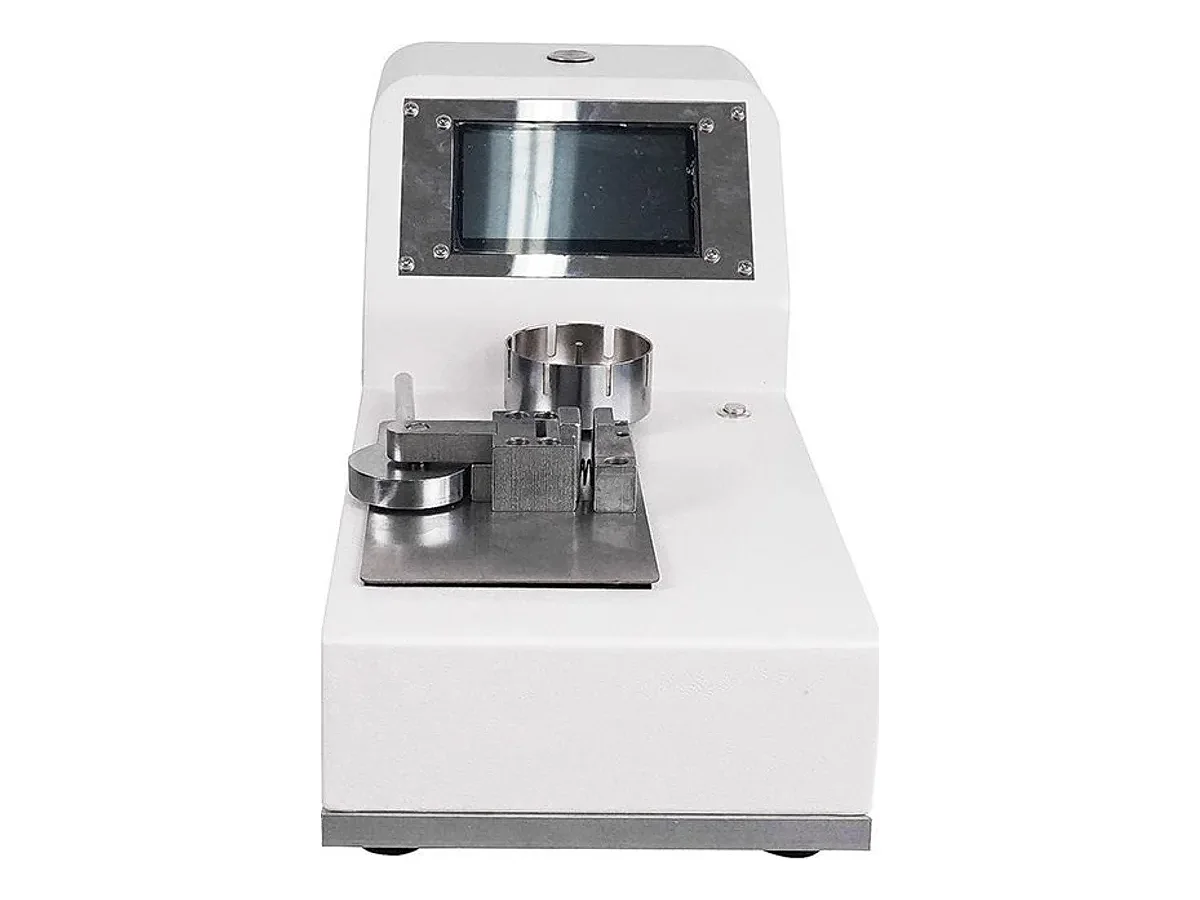
Automatic Wire Crimp Pull Tester with Touch Screen, 500 N
Model WM-820
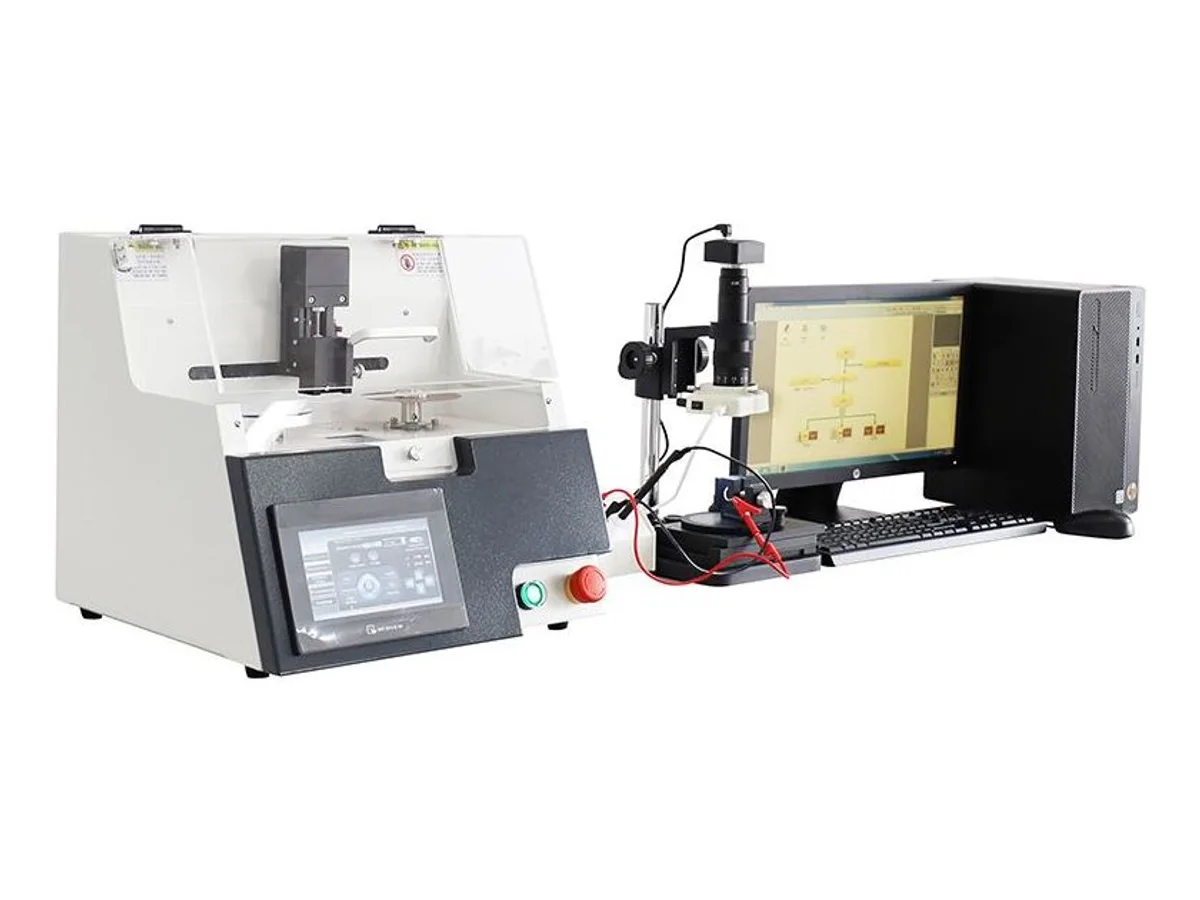
Crimp Cross-Section Analysis System with 30–312X Zoom for Terminal Quality Audits
Model WM-813
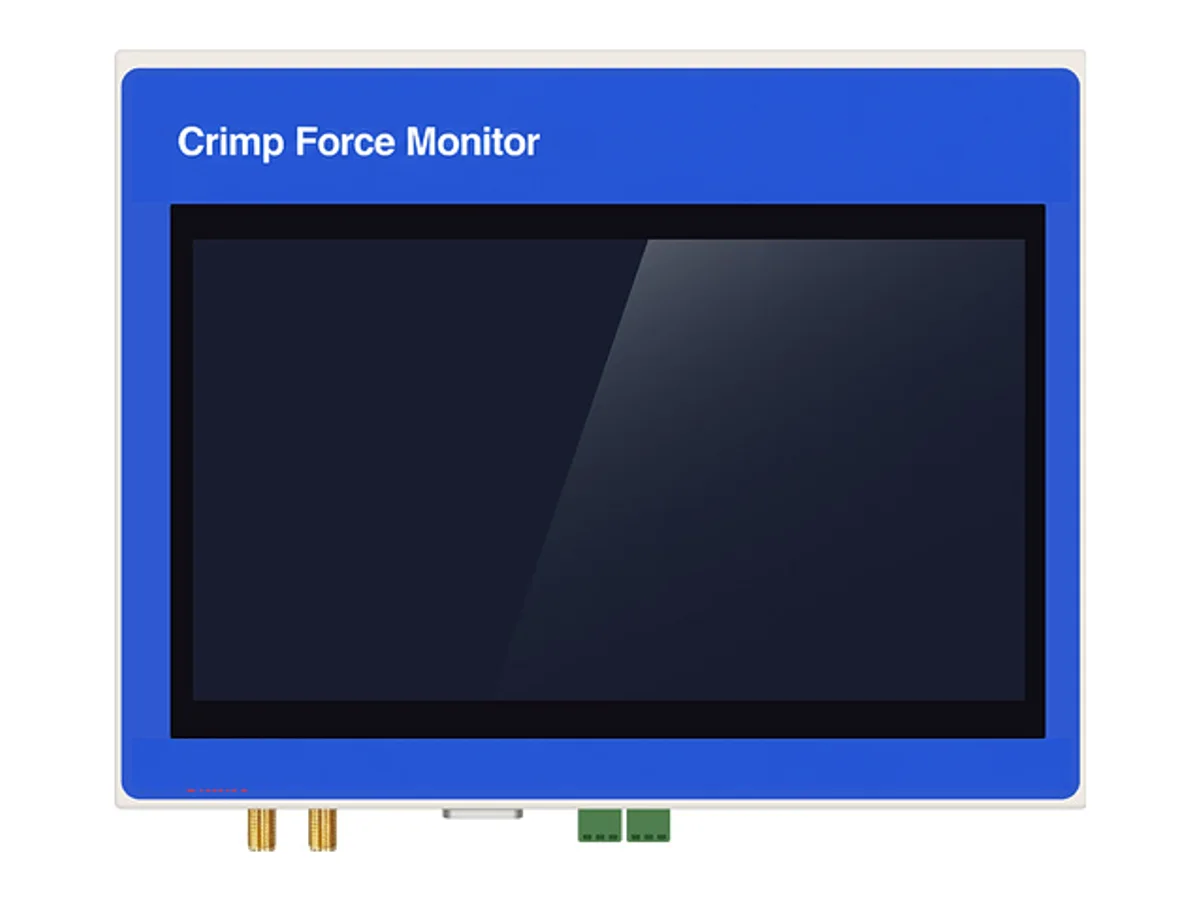
Crimp Force Monitoring System, Single or Dual Channel
Model WM-834